
Pelvic Floor Therapy WITH THE ReStora EMS Chair in Stoneham, MA
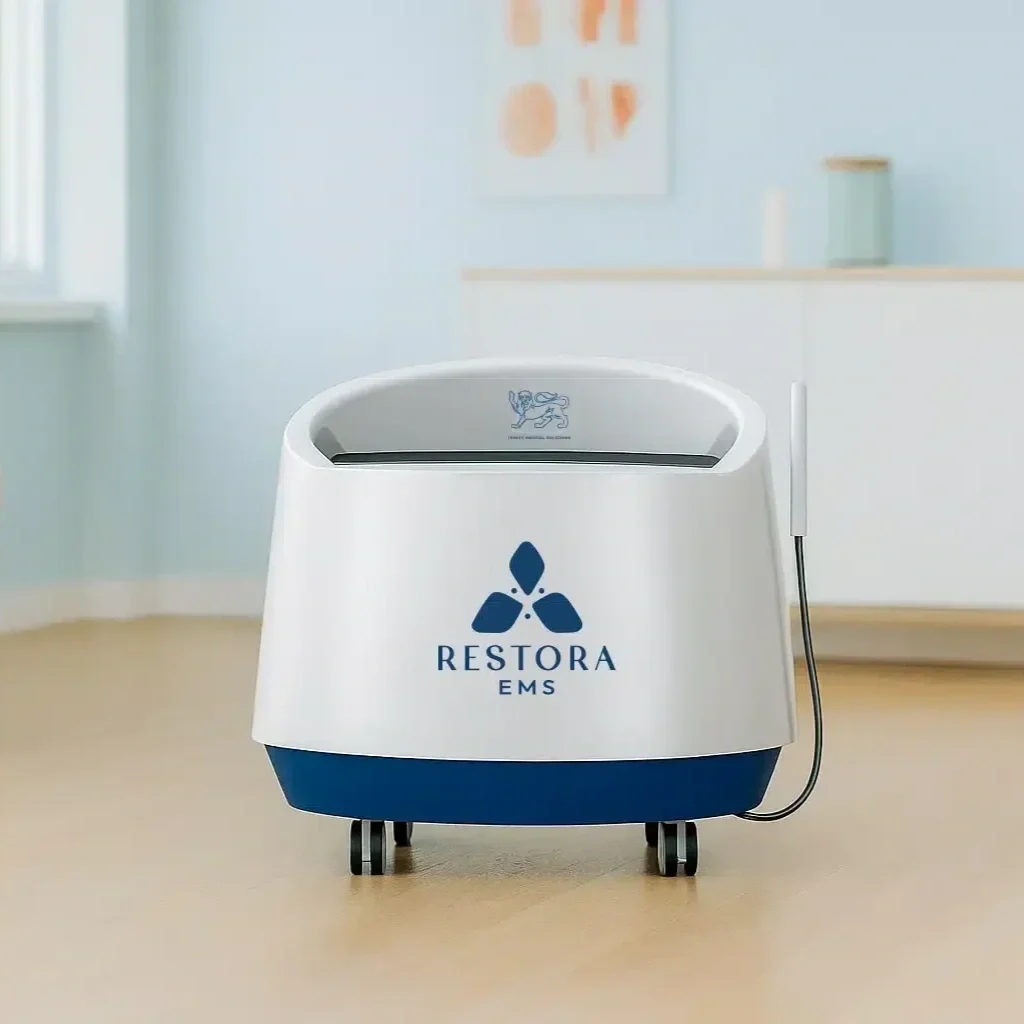
The ReStora EMS Chair at Nutrition & Whole Health Solutions in Stoneham, MA is an innovative, FDA-cleared device designed to effectively treat urinary incontinence and other medical conditions caused by a weak pelvic floor. The chair is specifically intended to strengthen the pelvic floor muscle and restore the neuromuscular control for the treatment of urinary incontinence in both males and females. Using advanced high-intensity focused electromagnetic technology, the ReStora EMS Chair offers individuals a comfortable and effective treatment option that requires no downtime and delivers noticeable results.
The chair delivers thousands of supramaximal contractions in a single session—similar to doing 15,000 Kegels—while the individual remains fully clothed and comfortably seated.
How Treatment Works
One of the biggest benefits is its simplicity and convenience.
You sit comfortably on the chair while fully clothed
The device delivers gentle electromagnetic pulses to the pelvic floor
These pulses cause deep muscle contractions that strengthen the pelvic muscles
Each session takes about 30 minutes, requires no preparation, and has no downtime afterward.
Benefits OF ReStora EMS Chair
This deep muscle activation targets and strengthens the pelvic floor from within and is associated with a wide range of physical and quality-of-life benefits, including:
Faster recovery after childbirth or prostate surgery
Lower risk of pelvic organ prolapse
Improved sexual function and satisfaction
Better bowel control
Enhanced core stability and posture
What is the pelvic floor and why is it important?
The pelvic floor is a group of muscles and connective tissues that form a supportive “hammock” at the bottom of the pelvis. These muscles support important organs including the bladder, bowel, and reproductive organs and play an important role in core stability.
When the pelvic floor muscles are strong and functioning properly, they help control bladder and bowel movements, support healthy posture and core strength, and contribute to normal sexual function.
However, when the pelvic floor becomes weak, it may no longer provide adequate support for the organs above it. This can lead to a variety of symptoms, including:
Urinary leakage when coughing, sneezing, or exercising
Frequent urges to urinate
Difficulty controlling bowel movements
A feeling of heaviness or pressure in the pelvis
Reduced core stability or lower back discomfort
A weak pelvic floor can develop for many reasons, including pregnancy and childbirth, aging, chronic straining, prolonged sitting, surgery, or lack of muscle engagement. Improving pelvic floor strength can help restore better bladder control, improve core stability, and enhance overall pelvic health and quality of life.
FREQUENTLY ASKED QUESTIONS
-
A ReStora EMS Chair treatment is a non-invasive procedure that uses high-intensity electromagnetic energy to stimulate and strengthen the pelvic floor muscles. The chair delivers thousands of supramaximal contractions in a single session—similar to doing 15,000 Kegels—while the individual remains fully clothed and comfortably seated.
-
Ideal candidates include adult men and women experiencing stress, urge, or mixed urinary incontinence. It’s particularly beneficial for patients with pelvic floor weakening related to aging, childbirth, menopause, or post-prostate surgery. The therapy offers a non-surgical option for those seeking improved bladder control and pelvic support. In addition to being FDA cleared for improving urinary incontinence, the ReStora EMS Chair is also cleared for strengthening pelvic floor muscles. For men, a weak pelvic floor is a known contributor to erectile dysfunction (ED).
-
This treatment is contraindicated for individuals who are pregnant or may be pregnant, as well as people with implanted electronic devices (such as pacemakers or defibrillators), copper IUDs, or other metal implants near the pelvic region.
-
Each session is 28 minutes long.
Most individuals begin noticing results after one or two sessions. The recommended treatment protocol includes six sessions, scheduled as two 30-minute treatments per week for three weeks. Ongoing monthly maintenance sessions help sustain results over time. -
No. Occasionally, individuals may report temporary muscle soreness, mild spasms, or localized redness following treatment. These effects are short-lived and generally resolve on their own.
-
No. Individuals typically describe the sensation as intense but manageable muscle contractions with a slight tingling feeling. There is no need for anesthesia or downtime, and most find the procedure comfortable and easy to complete.
-
You should arrive in loose, comfortable clothing without metal elements near the pelvic area.